Sunday, October 3, 2010

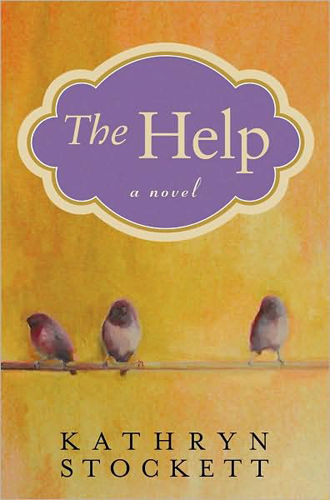
Book Club Forum #8: The Help

Book Selection Status: READ
Month: October 2010
Genre: Fiction Literature:
Book of the Month: They Help
Author: Kathyrn Stockett

Discussion Questions:
1. Who was your favorite character? Why?

2. What do you think motivated Hilly? On the one hand she is terribly cruel to Aibileen and her own help, as well as to Skeeter once she realizes that she can't control her. Yet she's a wonderful mother. Do you think that one can be a good mother but, at the same time, a deeply flawed person?
3. Like Hilly, Skeeter's mother is a prime example of someone deeply flawed yet somewhat sympathetic. She seems to care for Skeeter--and she also seems to have very real feelings for Constantine. Yet the ultimatum she gives to Constantine is untenable; and most of her interaction with Skeeter is critical. Do you think Skeeter's mother is a sympathetic or unsympathetic character? Why?
4. How much of a person's character would you say is shaped by the times in which they live?
5. Did it bother you that Skeeter is willing to overlook so many of Stuart's faults so that she can get married, and that it's not until he literally gets up and walks away that the engagement falls apart?
6. Do you believe that Minny was justified in her distrust of white people?

7. Do you think that had Aibileen stayed working for Miss Elizabeth, that Mae Mobley would have grown up to be racist like her mother? Do you think racism is inherent, or taught?

8. From the perspective of a twenty-first century reader, the hairshellac system that Skeeter undergoes seems ludicrous. Yet women still alter their looks in rather peculiar ways as the definition of "beauty" changes with the times. Looking back on your past, what's the most ridiculous beauty regimen you ever underwent?

9. The author manages to paint Aibileen with a quiet grace and an aura of wisdom about her. How do you think she does this?

10. Do you think there are still vestiges of racism in relationships where people of color work for people who are white? Have you heard stories of parents who put away their valuable jewelry before their nanny comes? Paradoxically, they trust the person to look after their child but not their diamond rings?

11. What did you think about Minny's pie for Miss Hilly? Would you have gone as far as Minny did for revenge?

Wednesday, September 1, 2010

Book Club Forum #7: Finny

Book Selection Status: READ
Month: September 2010
Genre: Fiction Literature:
Book of the Month: Finny
Author: Justin Kramon
Question source: http://justinkramon.com/ReadingGroupQuestions.html

Discussion Questions:

1. We live with Finny for more than two decades in the book, seeing her at some of her best and worst moments. In what ways would you say Finny changes over the course of the book? In what ways does she stay the same? Do you think she “grows up” in the course of the novel?

2. Who are your favorite characters in the novel? What did you like about them? What particular scenes or moments in the book made you feel an attachment to them? What traits did you admire or disapprove of in them?

3. Judith is a complicated and controversial figure in the novel. Immediately, when Finny meets her at the Thorndon boarding school, Finny acknowledges her beauty, and also that Judith was “more like a grown woman than a girl.” Throughout the novel, Finny is aware of Judith’s physicality: her hair, her clothing, her breasts. As you read, what conclusions did you reach about Judith and her beauty? Do you like Judith as a person? Do you feel sympathetic to her? In what ways would you say Finny was correct about Judith being old for her age? In what ways would you say Finny was mistaken? What changes occur in Judith’s character over the course of the novel?

4. The theme of families plays a large role in the book. We see Finny’s difficult relationship with her family in the opening of the book, and the way she creates a kind of substitute family for herself, pieced together from the various people she meets: Mr. Henckel, Poplan, Judith. Would you say that Finny’s feelings about her biological family change over the course of the book? Do you think she becomes more or less understanding of them? Also, do you think her feelings about family in general change? How so? How are her views on family influenced by her experiences with others? Her mother? Sylvan? Earl and Mona? Any other characters?

5. Another big theme in the book is romantic love. Early in the book, thinking of her love for Earl, Finny comes upon the realization that “this feeling, this endless, inconsolable longing, would forever be a part of her life, a part of what it meant to truly love...in the end she could never say whether it was good or bad.” How would you say that the ideas in this passage play out over the course of the book? Is Finny’s love for Earl a “good” thing? Or is it more complicated? What do you think the novel’s view of romantic love is? Compare this passage to the passages on love at the end of the novel.

6. Finny often feels misunderstood in the book. She has trouble explaining herself to her parents, but also to her high school principal, Mrs. Barksdale, and to the man who cuts her hair in Paris, and to the men she dates after she moves to Boston. Why do you think she so often feels this frustration about misunderstanding? What do you think the importance of misunderstanding is in the novel? Are there also experiences of feeling understood?

7. Would you say that the book is told from the point of view of an old or young person? Is the language at the beginning of the book different from the language toward the end of the book? Similar? In what ways?

8. How would you characterize the tone of the book? Light? Heavy? How would you say that the tone of the language affects the more emotional scenes in the novel?

9. Do you think the book takes an optimistic or pessimistic view of people?

10. How would you characterize the humor in the book? Is it light-hearted? Dark? What does the humor call attention to? For example, you might look at the scene in the funeral home, when the Haberdashers are exchanging sneezes. Why would the author choose to put a comic scene in the middle of such a tragic period in Finny’s life? Are there other comic scenes that support or contradict your thoughts about this scene?

11. In the first chapter of Book 3, “Finny Gets a Glimpse into the Lives of Her Friends,” we learn of a number of changes in the lives of all the major characters. Examine how the lives of Carter, Judith, Sylvan, and Finny change over the fifteen years that separate Book 2 and Book 3. How would you characterize these changes? What are the attitudes the different characters take toward the ways their lives have gone?

12. Finny’s date with Brad Miller ends in a way she couldn't have expected, and Finny is troubled by her own part in what happened: “She felt a rush of shame for how she’d acted. Like a horny teenager, she thought. So frivolous. It wasn’t that Finny objected to sex, even casual sex; it was just the fact of getting it in this childish way, all the drinking and pawing at each other, the bribe of a fancy meal.” Why do you think Finny reacts this way? Do you think she’s right? How does it compare to other sex scenes in the book – with Earl, for instance, or when Finny and Earl chase the thief into the “Maison des Faintasies” in Paris? Do you think the book takes a certain view of sex?

13. Compare Finny to other books you know about “growing up.” How is it similar or different? How is a book about a young woman’s coming of age different than a book about a man’s?

14. What do you think about a man writing a book entirely from the point of view of a woman? Is it possible for a writer to make this shift? Does Kramon capture the feeling of being a woman? Does he miss things? What do you think, in general, of fiction writers writing about people who aren’t like them, or events outside of their experience?

Monday, August 2, 2010

Book Club Forum #6: The Condition

Book Selection Status: READ
Month: August 2010
Genre: Fiction Literature:
Book of the Month: The Condition
Author: Jennifer Haigh
Question source: http://www.jenniferhaigh.com/condition_guide.html

Discussion Questions:

1. Discuss the significance of the book's title. What else might it refer to other than Gwen's Turner's syndrome?

2. In what ways does Gwen's condition reverberate throughout the McKotch family? What do Frank and Paulette's differing opinions about how to treat Gwen's condition reveal about their personalities and also about their relationship?

3. Paulette and Frank's marriage was rife with misunderstandings on both sides. Was one person more to blame than the other for their break-up? Of the two, who did you find to be more sympathetic? Why does Billy blame his father for the divorce?

4. What was your impression of Paulette? Do you suppose the author meant for her to be a likeable character?

5. Discuss Paulette's relationship with Donald and her infatuation with Gil Pyle. What did Paulette find in her relationship with Donald that she did not with Frank?

6. Frank often compares his working-class background in a Pennsylvania mining town with Paulette's pedigreed family, musing that everything comes down to upbringing. How does his children's upbringing affect the paths they take in life? Was Frank a bad father, as Paulette seemed to believe?

7. On the surface the three McKotch children are extremely different. In what ways, if any, are they alike?

8. Why does Gwen distance herself from her family both physically and emotionally? Why does she ultimately decide to forgive Rico and Scott but not her mother?

9. Do you agree with Paulette's decision to send Scott to St. Raphael to bring Gwen home? Why is it so difficult for Paulette to believe that a man might be attracted to Gwen? Is she merely being a protective mother?

10. Gwen ends up living on St. Raphael, worlds away from her isolated life in Pittsburgh and Concord before that. What does she find on the Caribbean island that she hasn't anywhere else? Why does she reconcile with Rico?

11. What prompts Billy to finally reveal to his family that he's gay? How do Paulette and Frank each react to the news?

12. By the time the family reconvenes at the Captain's House, what realizations has Scott come to about his life—professionally and romantically, as well as his role as a father? In what ways have the others changed by the time of the reunion?

13. Sense of place is an important theme in The Condition. How do the opening scenes at the Captain's House set the tone for the rest of the novel? What do the main characters' living spaces, from Paulette's 200-year-old Concord house to Billy's meticulously decorated New York City apartment, reveal about them?

14. What do you suppose the future holds for the five members of the McKotch family?

15. Jennifer Haigh unfolds the narrative from the alternating perspectives of Frank, Paulette, and their three children. In what ways did this enhance your reading of the story?

16. Overall, what are your thoughts about the way the author presents the McKotches? Did you find their story to be a realistic and believable one?

Thursday, July 1, 2010

Book Club Forum #5: The Same Kind of Different as Me

Book Selection Status: READ
Month: July 2010
Genre:  Non-fiction Literature:
Book of the Month: The Same Kind of Different as Me
Authors: Ron Hall, Denver Moore, Lynn Vincent
Question source: http://www.litlovers.com/guide_same_kind_of_different.html


Discussion Questions:

1.  At the beginning of the book, what kind of person is Ron Hall? How would you describe him (how does  he describe himself)?

2.  Why does he agree to volunteer at the homeless shelter, and what is his initial reaction in doing so?

3. Talk about the trajectory of Denver Moore's life. What events have landed him in the homeless shelter?

4.  Discuss the differences between his life and Ron Hall's. What is Denver's world view?

5.  Talk about Deborah Hall? What inspires her life? What does she think of Denver Moore?

6.  Eventually, Denver and Ron, two men who have lived vastly different lives, become close friends. What do the two see in one another? What draws them together?

7.  What are the symbolic implications of the conversation about how white men fish, especially their catch-and-release method? What does that conversation say about each man, and what is the underlying message that Denver is trying to pass onto Ron?

8.  What is the meaning of the book's title, "Same Kind of Difference as Me"? What does it refer to?

9.  How do both men change by the end of the book? What do they learn from or teach each other?

10.  This is a story about how hate and prejudice can be overcome by love and grace. How difficult is that achievement in most of our lives? What can this book teach us?

11.  Does this book inspire you? If so, in what ways?

Tuesday, June 1, 2010

Book Club Forum 4: Cleopatra's Daughter: A novel

Book Selection Status: READ
Month: June 2010
Genre: Historical Fiction Literature:
Book of the Month: Cleopatra's Daughter: A novel
Author: Michelle Moran
Question source: http://www.michellemoran.com/

Discussion Questions:
1.  What, if any, elements of the ancient Roman world seem similar to life today?

2.  In the beginning of the novel, Octavian comes across as a ruthless man willing to do whatever it takes to stay in power. Does anything change as the story progresses? How do you feel about him in the end? Did your feelings change at all? Why do you think he treats Selene the way he does as the novel closes?

3.  Selene has a complex relationship with Julia. Do her feelings about Julia change during the course of the novel? If so, why?

4.  Octavian/Augustus governed Rome for decades; sometimes with guile, often with ruthless force. In the novel we see his use of assassinations (of rivals, real and imagined), as well as collective punishment following the attempt on his life. Can this leadership style be justified by his focus on order and stability? In their quest for these, what boundaries should leaders never cross?
    5.  Selene has two romantic interests in the novel. How does her attitude and character change as she matures and passes from one romance to the other?

    6.  Octavia shows tremendous compassion for the adopted children placed in her care. How would you have responded to a betrayal like that of Antony?

    7.  The slave trials described in the novel were real examples of Roman collective punishment. How does the administration of justice in classical times differ from the modern ones we know today?

    8. Was the Roman system of law, administration, learning and empire a net gain or net loss for those that it conquered?

    9.  Egypt has always fascinated outsiders, including in this novel, Julia. Why?

    10.  Omen, superstitions, and protection by family spirits play a significant part in the novel and in Roman life. What is the source of these widespread human traditions, and how do such emotions and habits express themselves today?

    11. How does the Roman attitude to marriage, sex, and promiscuity compare to our own?

    Wednesday, May 5, 2010

    Book Club Forum 3: Wench

    Book Selection Status: READ
    Month: May 2010
    Genre: Historical Fiction Literature:
    Book of the Month: Wench
    Author: Dolen Perkins-Valdez
    Question source: http://www.harpercollins.com/

    Discussion Questions:                                                                  

    1. Lizzie is a house slave. How does this position differ from working in the fields? How does this status affect her day-to-day existence? What impact does it have for her children?
     
    2. Unlike many slaves, Lizzie learned to read. Why did Drayle teach her? What does this ability offer her? Does her ability influence the other slaves she lived with?

    3. When Mawu asks Lizzie about Drayle, Lizzie hears the question, "Is he good to you?" Later she comes to understand that Mawu wanted to know, "Is he God to you?" How would you answer both questions? How do these questions relate to one another in the context of Lizzie's life?

    4. Lizzie claims that she loves Drayle. Does she? Does he love her? How would you describe their bond? Can love truly exist when there is such an imbalance of power between two people? What about Drayle and his wife, Fran? Talk about their marriage and compare it to the relationship between Lizzie and Drayle.

    5. How would you describe Drayle? What kind of a slave owner is he? What does Lizzie mean to Drayle? How does he treat her? How does he treat their children? Lizzie begs Drayle to free their son and daughter. Why won't he?

    6. Describe the relationship between Drayle's wife, Fran, and Lizzie. How do the women view each other? How are their positions similar?

    7. When Drayle receives an offer to sell Phillip he refuses. Why? What eventually makes him change his mind? What does Lizzie think about Phillip's chance at freedom? Why does she refuse to help him when she is first asked—and what changes her mind?

    8. Compare and contrast the four women at the heart of the novel: Lizzie, Mawu, Sweet, and Reenie. Though they are all slaves, are their experiences the same? What accounts for any differences?

    9. How did Lizzie feel about going to Tawawa? What did the resort offer her that her life in Tennessee did not? How do her experiences at the resort change her over the course of the summers she is there?

    10. What was Lizzie's opinion of Mawu when she first met her? Describe the arc of their relationship. What events changed they way they saw each other?

    11. Describe the women's white masters. What are their relationships like with their slaves? Do these relationships offer any benefits to the women? Are these women entirely powerless? If not, what power do they have?

    12. Why does Lizzie tell Drayle about Mawu's plan to escape? Is she surprised by Mawu's punishment? Why doesn't Mawu hate Lizzie for what she did? When Mawu finally escapes, she stays behind, waiting for Lizzie? Why does she risk herself for Lizzie? What do they all see in Lizzie—why is she special?

    13. Tawawa was very near to where free colored folk also vacationed, a place called Lewis House. What do the slaves think of Lewis House? Why didn't more slaves try to escape when freedom was so near? Why do you think the Northern whites who also summered at Tawawa didn't help them find freedom?

    14. What role does the white woman, Glory, play in the novel? When they first meet her, they are startled by her behavior. "These slaves had been around Northern whites long enough to recognize one who didn't understand the rules." Why doesn't Glory seem to "understand the rules?" How does meeting her influence the slaves, especially Lizzie?

    15. Many events happen during Lizzie's visits to Ohio, from the discovery of the abolitionist pamphlet to the trip to Dayton to meeting Glory and Phillip's fiancé. Talk about the significance of each and explain how they shaped Lizzie's outlook about her life and herself. How does she change by the novel's end? What about the other characters?

    16. What does freedom mean to you? What does it mean to Lizzie and the other slaves?

    17. Lizzie lived a life defined by indignity and degradation. How did she cope and overcome her pain?

    18. After Sweet learns that all of her children have died from cholera, she tells her friends that she wants to die. Is death better than a life in chains?

    19. Discuss the evils of slavery. How does it degrade the soul of both the enslaved and their masters?

    20. Unlike the characters in the story, you, the reader, know that the Civil War will occur in less than a decade. How does the knowledge shape your experience reading the story? Does it give you hope for Lizzie and her children?

    21. What did you learn from reading Wench? What affected you most about the story?

    Friday, April 2, 2010

    Book Club Forum 2: True Colors

    Book Selection Status: READ
    Month: April 2010
    Genre: Fiction Literature
    Book of the Month: True Colors
    Author: Kristin Hannah
    Question source: http://www.kristinhannah.com/

    Discussion Questions

    1. In the novel’s opening scene, Henry pits one daughter against the other by simply handing one a lead rope. Winona realizes the impact of his action and knows that from then on, something in their family is changed. Does her realization change the outcome or solidify it? How does this scene reflect the central conflict in the novel? How do Henry’s choices set in motion the difficulties that lie ahead?


    2. The epigraph at the start of the novel is about passion. Why do you think the author chose this quote? How does passion, in all its many forms, lie at the very heart of True Colors?

    3. Winona, Aurora, and Vivi Ann have similar and idealized perceptions of their mother. How has her absence affected them, separately and collectively? Conversely, each sister has a radically different perception of Henry. Who is the real Henry? Which sister has the most accurate understanding of who he is? Is Henry’s antipathy toward his daughters subject to interpretation or is he as cold and uncaring as he appears?

    4. There is obviously a symbiotic relationship between person and place in this novel. What part does the small town setting play in the novel? Could this story have taken place in a big city? What would have played out differently, in your opinion? What would have remained the same? How does the setting reflect the differences between Vivi Ann and Winona? Certainly it appears at first glance that Vivi Ann is more rooted at Water’s Edge and in Oyster Shores than Winona. Is this really true?

    5. The Grey sisters would have said that they were happy before Dallas came to town. Is that true? Or was Winona right at fifteen when she observed that “from then on, jealousy had become an undercurrent, swirling beneath their lives”? Was Dallas actually the cause of their troubles? Was Luke? Or was the disintegration of the family inevitable? Who is most to blame for the bad things that happen to the Grey family?

    6. How do Winona’s weaknesses and vulnerabilities play into the story? How do her strengths? Do you see her as a likeable character? A good sister?

    7. How about Vivi Ann? In what way is she really the architect of her own life? How do her strengths and weaknesses allow for all of the good and bad things in the novel to happen? How would this story have been changed by honesty between the sisters from the beginning?

    8. There are several moments in the story when Winona makes difficult choices. Was she right to tell Luke about Vivi Ann’s affair? Should she have represented Dallas at his first trial? Did she deny the case for personal or professional reasons?

    9. Noah becomes the first true catalyst for change in the Grey family. Like Vivi Ann, Aurora, and Winona, he has grown up in the shadow of loss. He is a fatherless boy; they are motherless girls. How has Vivi Ann’s parenting hurt Noah and set him on his self destructive path? Is Vivi Ann’s downfall understandable? Regrettable? Unacceptable? If she had been your sister, what would you have done to help her deal with Dallas’s imprisonment?

    10. Do you understand Dallas? Or did he remain enigmatic throughout the story? Did your belief in his guilt or innocence change throughout the course of the novel? How much did he contribute to his own legal problems? How did Vivi Ann contribute to them? When did he fall in love with Vivi Ann, and why?

    11. Prejudice is an important component of the story. In small, close-knit communities like Oyster Shores, it can often be difficult to be perceived as an outsider. How much of Dallas’s arrest depends upon prejudice? Would he have been arrested as quickly if he’d been “one of them?” What if he had been white? How much did his own bad reputation in town work against him?

    12. Eyewitness testimony is often unreliable. This is especially true for minorities and people of color. Why do you think this is? What should we, as a society, do about it? Was Myrtle mistaken in her testimony? Did she lie? Did she simply see what she expected to see?

    13. Was Vivi Ann wrong to give up on Dallas? Was Dallas right to ask it of her?

    14. Discuss Henry. Does he change over the course of the story? Does he love his daughters? How did the loss of his wife contribute to the father he has become? Would he change if he could?

    15. Think about the future. How is the Grey family changed by all that they have endured? Where do they go from here? Do Vivi, Noah, and Dallas stay at Water’s Edge? What about Winona? How has she been changed by the journey she has undertaken? Is she still jealous of her sister? Desperate for her father’s love? Will she stay in Oyster Shores? Should she? Will she and Luke make a future together? And what about Noah? For most of his life he’s been able to blame his bad behavior on someone else. What will his life be like now that his father is home?